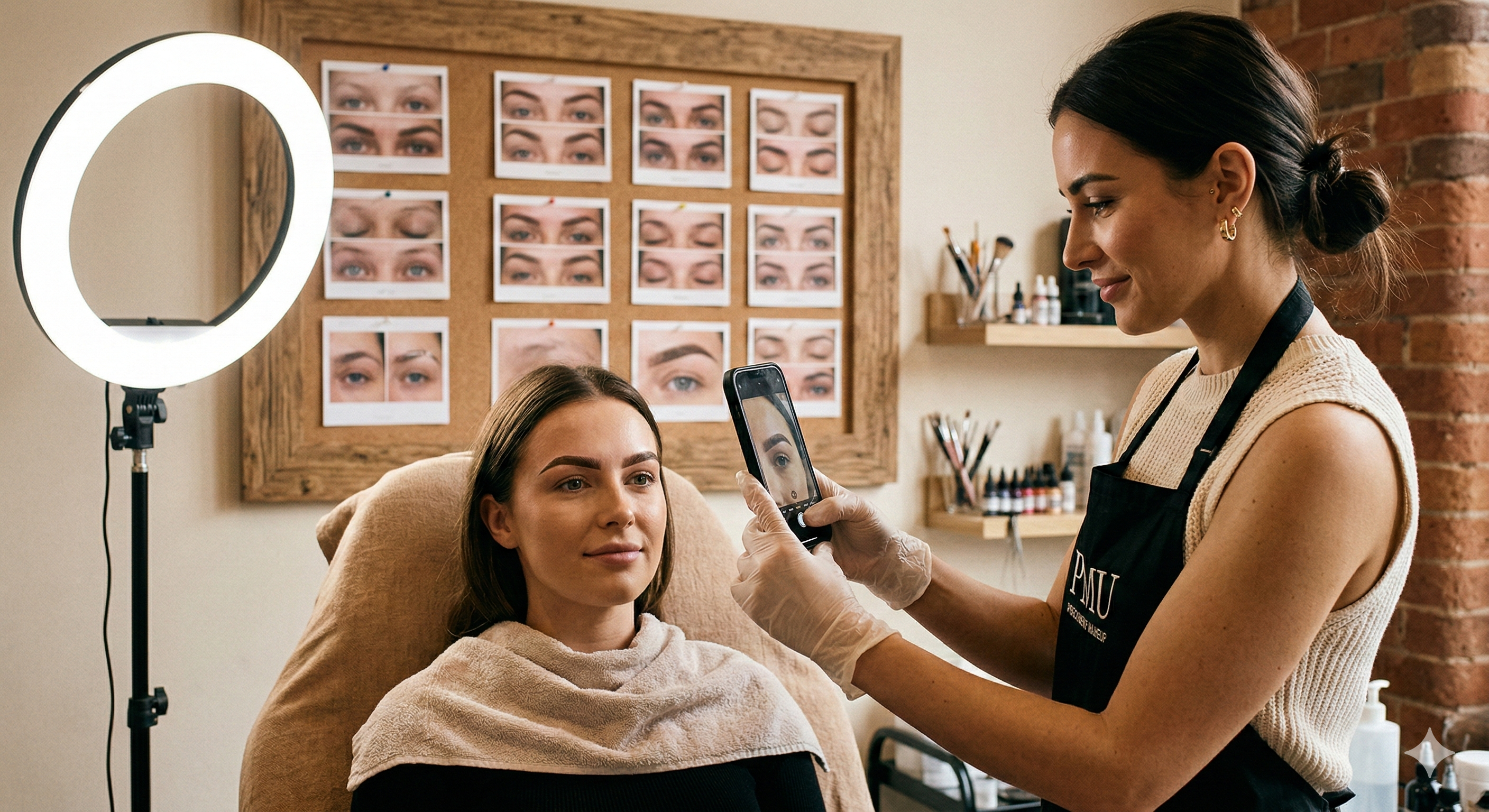
Permanent makeup regulation in the United States is a patchwork — and a confusing one. Depending on where you practice, PMU may be regulated as tattooing, as cosmetology, as esthetics, or as an unlicensed practice with only general health code compliance required. Getting this wrong isn’t just a legal risk; it’s an insurance risk, a business continuity risk, and a client safety issue.
This guide reflects our best current research as of early 2026. Regulatory environments change, and we strongly recommend verifying the specific requirements in your jurisdiction with the relevant licensing board before opening or expanding a practice.
How Regulation Is Organized
Most states regulate PMU through one of three frameworks:
As tattooing: The state requires a tattoo license or tattoo artist permit to perform PMU. This typically involves completing a designated number of apprenticeship hours (ranging from 50 to 2,000+ hours depending on the state), passing a practical or written exam, and in some cases operating from a licensed tattoo establishment. States in this category include California, New York, Florida, and Texas.
As cosmetology or esthetics: The state places PMU under the jurisdiction of the cosmetology or esthetics board, requiring a cosmetology or esthetics license to practice. Requirements typically include completion of an approved training program (800–1,500 hours) and passage of a licensing exam. States in this category include Georgia and several Southeastern states.
Unregulated or minimally regulated: The state has no specific PMU licensing requirement, though general health code compliance, bloodborne pathogen training certification, and sometimes business licensing are still required. This is more common than many practitioners expect. States including Utah, Colorado (outside specific municipalities), and several others fall into this category at the state level, though local ordinances may add requirements.
Key States: What You Need to Know
California: PMU is regulated as tattooing. Practitioners must hold a valid tattoo artist license issued by the California Department of Public Health. Requirements include completion of bloodborne pathogen training (at minimum), operating from a licensed facility, and in some counties, additional local permits. California has among the most stringent inspection and compliance frameworks in the country.
Texas: The Texas Department of State Health Services regulates tattooing, which includes PMU. A tattoo artist license requires 50 hours of apprenticeship with a licensed artist, passage of a written exam, and a tattoo establishment permit for the practice location. Health inspections are conducted periodically.
Florida: Permanent makeup is regulated by the Florida Department of Health under the tattoo licensing framework. Artists must hold a Body Art Practitioner license, which requires a bloodborne pathogens course, a practical skills demonstration, and fees. Regulations regarding needle disposal, sterilization, and single-use materials are enforced.
New York: State-level regulation requires a tattoo license issued through local county health departments rather than a centralized state board. Requirements vary by county, but typically include a bloodborne pathogens course and facility inspection. New York City has specific additional requirements.
Illinois: PMU practitioners in Illinois are required to hold a Body Art Technician Permit issued by the county health department. The Chicago metro area has additional municipal requirements. Bloodborne pathogen certification is required statewide.
Ohio: Ohio regulates tattooing (including PMU) through county health departments rather than a state board. Requirements typically include a bloodborne pathogens certification and health department registration of the practice location.
Universal Requirements
Regardless of state-specific licensing, every PMU practitioner should maintain:
Bloodborne Pathogen Training: OSHA-compliant BBP training is required or strongly recommended in every state, and is a minimum requirement for professional liability insurance in most policies. Training must be current (typically renewed annually).
First Aid/CPR Certification: While not universally required by law, many professional insurance policies recommend or require current CPR certification.
Client Records and Consent Documentation: Maintaining complete client intake forms, informed consent documentation, and procedure records is both a professional standard and a legal protection. These records should be retained for a minimum of seven years.
Professional Liability Insurance: PMU-specific professional liability insurance is available through several providers specializing in beauty and body art industries. Operating without it exposes you to financial risk that no licensing status can mitigate.
Finding Current Requirements for Your State
The most reliable current information on licensing requirements comes from:
- Your state’s Department of Health website (search “[state] tattoo license requirements” or “[state] body art regulations”)
- Your state’s cosmetology or barbering board (relevant if your state regulates PMU as esthetics)
- Your county or city health department (for locally-administered permits)
- A licensed attorney or compliance consultant specializing in the beauty industry if your situation is complex
PMU training programs and trade associations can also be useful resources, though their information may not always reflect the most current regulatory changes. When in doubt, contact the licensing board directly — a ten-minute phone call is worth more than hours of internet research when the stakes include your practice license.